
Kawsay Project: Andean Agricultural Interpretation Experience
Moray and the Sacred Seeds of Tawantinsuyo in the Community of Ccor Ccor Chinchero, Cusco
A Living Agricultural Heritage Experience in the Andes
Beyond Tourism: A Shared Commitment to Living Heritage
The Kawsay Project was born from a simple vision: to help preserve, celebrate, and share the living agricultural knowledge of the Andes with the world.
For thousands of years, Andean communities have protected native seeds, cultivated biodiversity, and developed farming practices that allowed entire civilizations to thrive. Today, this wisdom remains alive in the families of Ccor Ccor, who continue to care for the land and pass their knowledge from one generation to the next.
At Azonkoy Travel, we believe travel can create meaningful connections between visitors and the people who safeguard this living heritage. Together with the community of Ccor Ccor, we are creating experiences that allow travelers to learn directly from the custodians of ancestral agricultural knowledge while contributing to its appreciation and recognition.
Today, visitors can discover this heritage as part of their journey from Maras and Moray to the living agricultural landscapes of Ccor Ccor. Looking ahead, we hope to integrate the Kawsay Experience into more travel programs, allowing more travelers to connect with the traditions that continue to nourish the Andes.
Every seed carries a story. Every field preserves generations of knowledge. Every visit helps keep this heritage alive for future generations.
From Moray to Ccor Ccor: Understanding the Past Through the Present
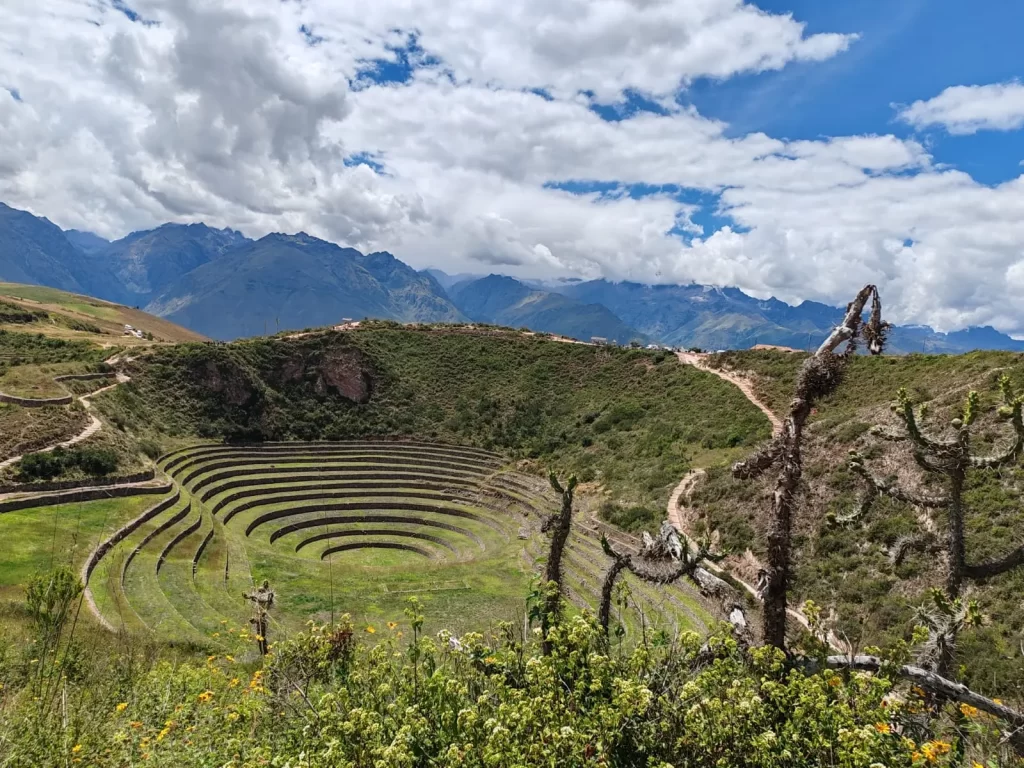
Moray is often recognized as one of the most remarkable agricultural achievements of the Inca civilization. Its circular terraces reveal how Andean societies studied microclimates, adapted crops to different environmental conditions, and developed innovative farming techniques that supported life across the Andes.
Yet the story of Andean agriculture does not end at Moray.
Just a short distance away, in the community of Ccor Ccor, many of the principles that shaped ancient agriculture continue to live on through the knowledge and practices of local farming families. Here, visitors have the opportunity to move beyond the archaeological remains and discover how ancestral wisdom continues to guide the cultivation of native crops, the preservation of seeds, and the relationship between people and the land.
Together, Moray and Ccor Ccor offer a unique perspective on Andean agriculture: one reveals the ingenuity of the past, while the other demonstrates how that legacy continues to thrive in the present.
By experiencing both places, travelers gain a deeper understanding of the living heritage that has sustained Andean communities for generations and continues to inspire the future of sustainable agriculture.
The Sacred Seeds of the Andes: Stories of Potato, Quinoa and Corn
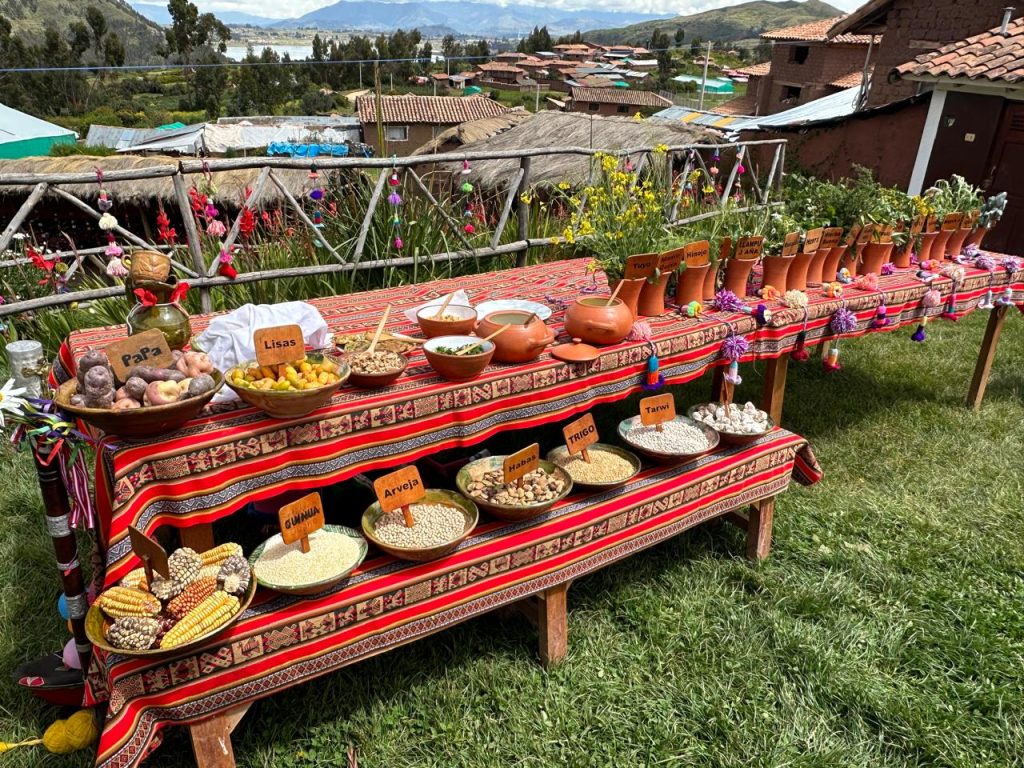
The Sacred Seeds of the Andes
For thousands of years, Andean communities have cultivated an extraordinary diversity of crops, carefully adapting them to the mountains, valleys, and changing climates of the Andes. This agricultural knowledge became one of the foundations of Andean civilization and continues to shape life in the region today.
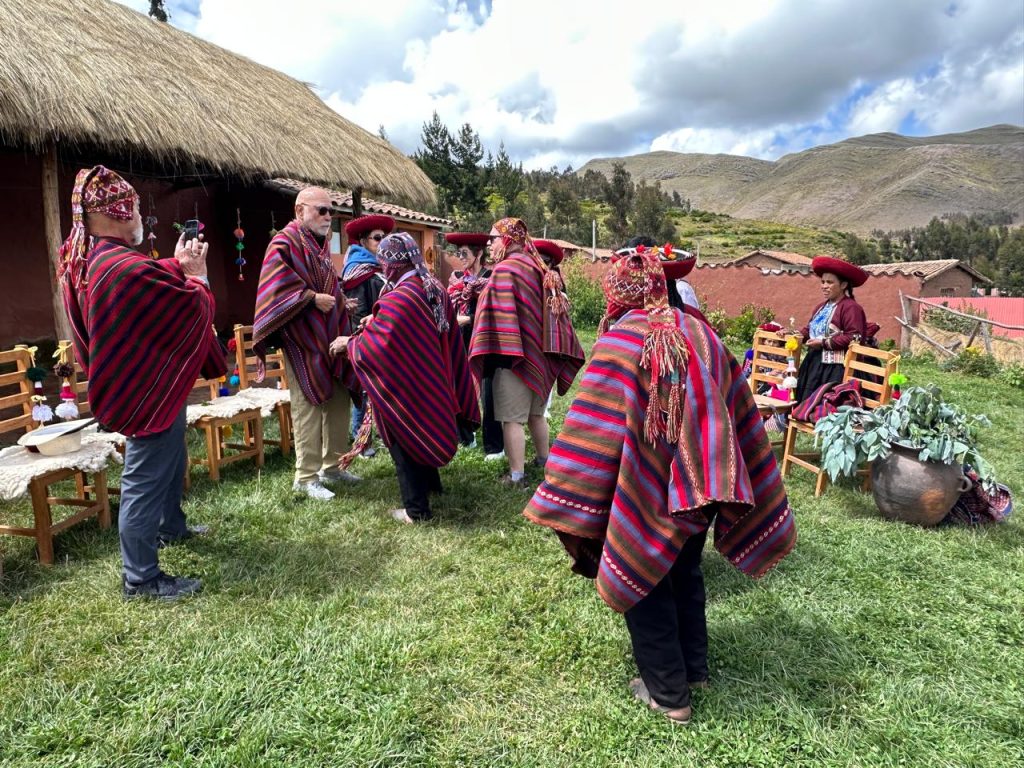
Upon arrival in the community of Ccor Ccor, visitors are welcomed by local farming families who serve as guardians of this living agricultural heritage. Through their stories and experience, guests gain a deeper understanding of three of the most important crops cultivated in the Andes.
Native Potatoes
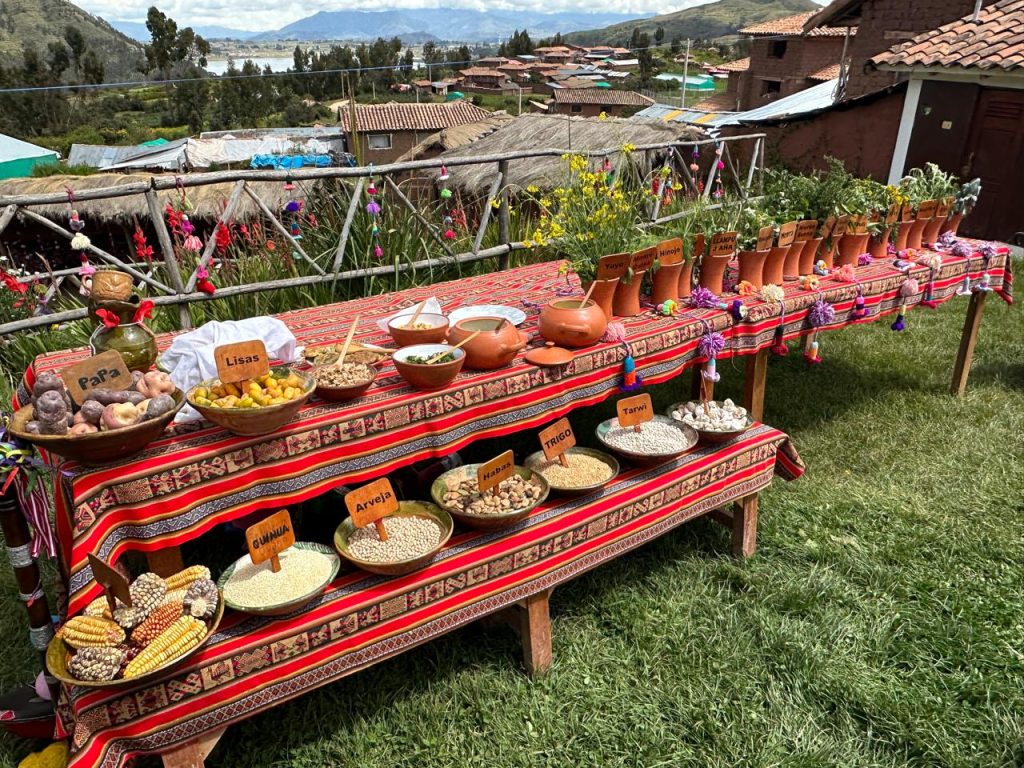
The Andes are recognized as the birthplace of the potato, one of the world’s most important food crops. Visitors discover the remarkable diversity of native potatoes and learn how different varieties have adapted to specific soils, climates, altitudes, and culinary traditions.
Quinoa
Cultivated in the Andes for centuries, quinoa has long been valued for its nutritional richness and resilience. Visitors learn how this ancient grain continues to support local communities while gaining recognition around the world.
Giant White Corn of Cusco
More than a crop, corn represents nourishment, celebration, and cultural identity throughout the Andes. Visitors explore the importance of Cusco’s renowned Giant White Corn and its role in local agriculture, gastronomy, and traditions.
Through the knowledge shared by community members and interpreted by professional guides, visitors gain insights that go far beyond conventional tours, discovering the living connection between seeds, culture, and ancestral wisdom.
Meet the Guardians of Living Knowledge
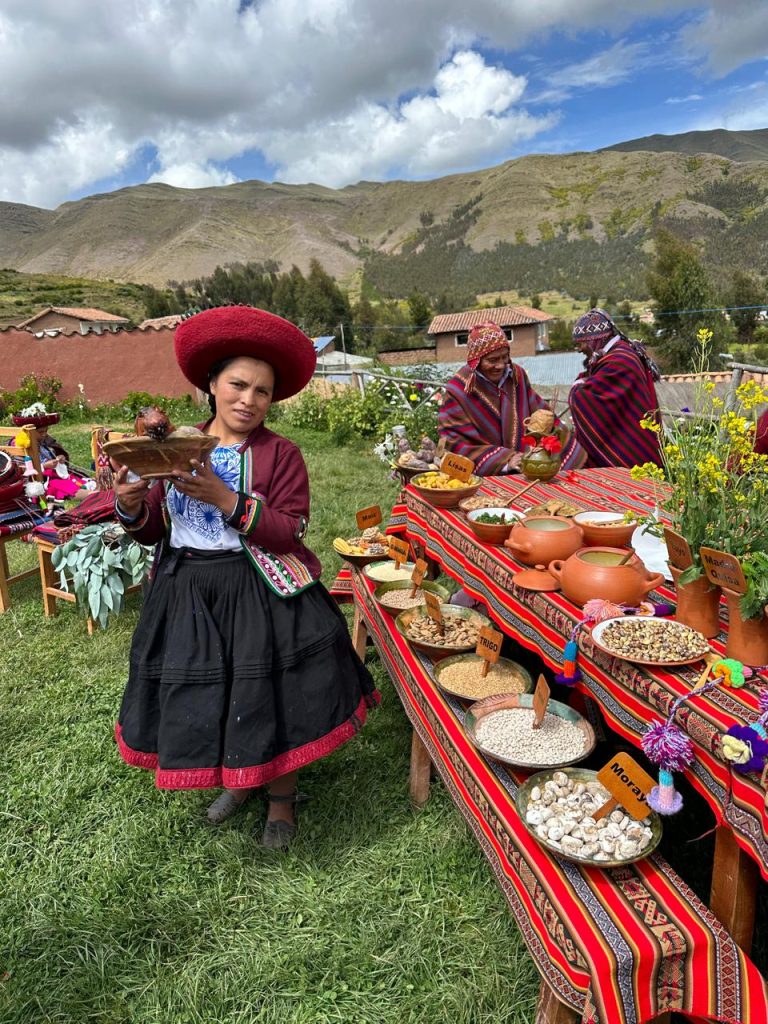
Behind every native seed, every agricultural terrace, and every harvest lies a legacy of knowledge carefully preserved through generations.
In Ccor Ccor, local farming families continue to practice many of the agricultural traditions inherited from their ancestors. Their understanding of the land, seasons, soils, and crops has been shaped by centuries of observation, experience, and a deep relationship with the natural environment.
For these families, agriculture is more than a means of livelihood. It is a way of life that reflects values of community, reciprocity, respect for nature, and responsibility toward future generations.
As visitors interact with community members, they gain a unique opportunity to learn directly from the people who continue to safeguard this living heritage. Through stories, conversations, and shared experiences, travelers discover perspectives that cannot be found in textbooks or museums.
This human connection transforms the visit into something more meaningful: an encounter with the custodians of a knowledge system that continues to nurture both the land and the communities that call the Andes home.
Experience Andean Agriculture Firsthand
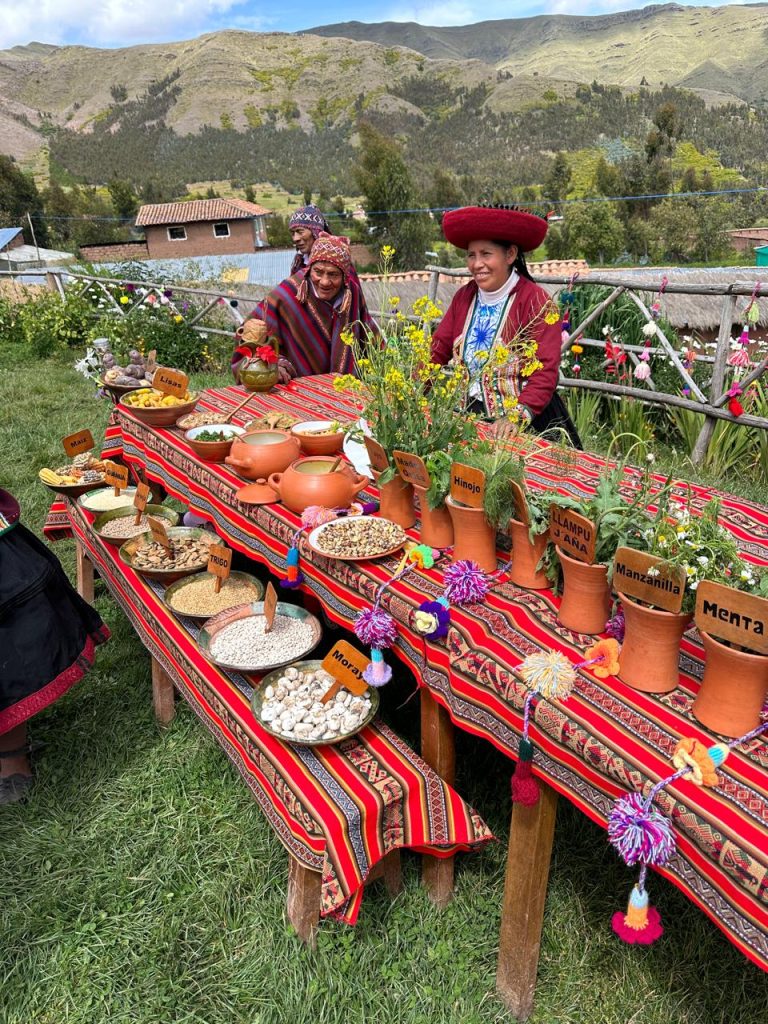
The Kawsay Experience invites visitors to move beyond observation and engage directly with the living agricultural traditions of the Andes.
Upon arrival in Ccor Ccor, guests are welcomed by members of the local community and introduced to the cultural and agricultural significance of the region. The experience begins with an interpretation of native potatoes, quinoa, and Cusco’s Giant White Corn, providing insight into the crops that have sustained Andean communities for generations.
Visitors then explore the surrounding agricultural landscapes, where local farmers share traditional cultivation practices, explain seasonal farming cycles, and demonstrate how ancestral knowledge continues to guide daily life in the Andes.
Depending on the season and agricultural activities taking place, guests may have the opportunity to participate in hands-on farming tasks, gaining a deeper appreciation for the work, knowledge, and dedication required to cultivate the land.
Throughout the experience, travelers engage in meaningful conversations with community members, learning about their traditions, challenges, and aspirations for future generations.
More than a visit, this is an opportunity to experience the living relationship between people, seeds, and land that continues to shape Andean culture today.
A Living Agricultural Landscape
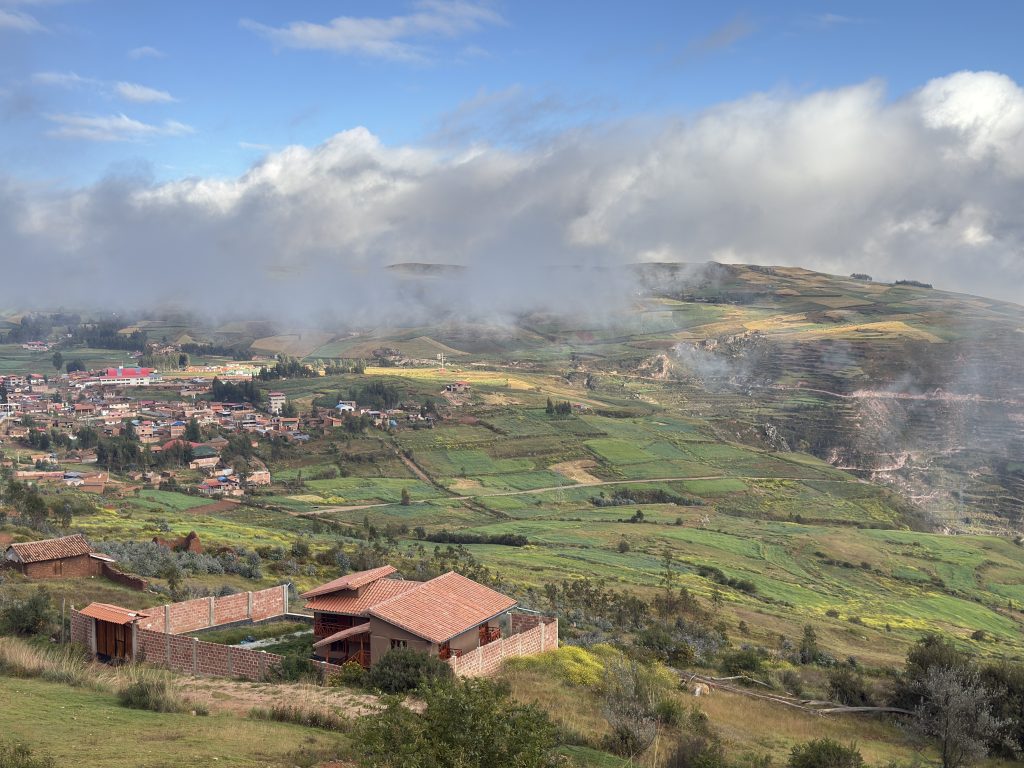
Surrounded by the mountains of the Sacred Valley, Ccor Ccor offers visitors the opportunity to experience an agricultural landscape that continues to sustain local communities much as it has for generations.
Fields of native crops, traditional farming plots, and seasonal cultivation activities reveal a living connection between people and the land. Unlike archaeological sites that preserve the achievements of the past, Ccor Ccor demonstrates how agricultural knowledge remains an active part of everyday life.
As visitors walk through the community, they encounter landscapes shaped by centuries of cultivation, adaptation, and respect for the natural environment. Each field reflects a deep understanding of local ecosystems and the enduring relationship between farmers, seeds, water, and soil.
This living agricultural landscape provides a unique perspective on the Andes, allowing travelers to witness not only where food is grown, but also how cultural traditions, environmental stewardship, and community identity continue to thrive together.
Here, the agricultural heritage of the Andes is not remembered—it is lived every day.
Why This Knowledge Matters
The agricultural knowledge preserved in communities like Ccor Ccor represents far more than traditional farming practices. It is the result of centuries of observation, adaptation, and collaboration between people and nature.
Today, as communities around the world face challenges related to biodiversity loss, climate change, and food security, many of the principles developed by Andean farmers continue to offer valuable lessons in resilience and sustainability.
The preservation of native seeds, the adaptation of crops to diverse environments, and the careful stewardship of natural resources reflect a profound understanding of how to live in balance with the land.
By learning about these traditions, visitors gain a deeper appreciation for the knowledge systems that have supported Andean communities for generations and continue to inspire more sustainable ways of thinking about agriculture, culture, and the future.
Protecting this heritage is not only about honoring the past—it is about ensuring that its wisdom remains available for future generations.
Beyond Tourism: A Shared Commitment to Living Heritage
The Kawsay Project was created from a shared desire to celebrate, preserve, and share the living agricultural heritage of the Andes.
Through a collaborative partnership between the community of Ccor Ccor and Azonkoy Travel, this initiative creates meaningful opportunities for visitors to learn directly from the people who continue to cultivate native crops, safeguard ancestral knowledge, and maintain a deep connection with the land.
Our vision extends beyond offering a unique travel experience. We seek to contribute to the appreciation of Andean agricultural traditions, encourage cultural exchange, and support the recognition of knowledge systems that remain relevant in today’s world.
Few places in the world offer the opportunity to explore an ancient agricultural innovation center such as Moray and then engage directly with the communities that continue to preserve and apply the knowledge behind it. This unique connection between archaeological heritage and living tradition lies at the heart of the Kawsay Project.
Today, scientists, environmentalists, and agricultural experts around the world are searching for solutions to challenges such as climate change, biodiversity loss, and food insecurity. Many of the principles being rediscovered today have long been practiced by Indigenous farming communities, whose knowledge continues to demonstrate the value of diversity, adaptation, and resilience.
By bringing together past and present, the Kawsay Project seeks to contribute to the global recognition and revaluation of Indigenous agricultural heritage while creating meaningful opportunities for learning and cultural exchange.
Today, travelers can discover this living heritage through their visit to Ccor Ccor. Looking ahead, we hope to integrate the Kawsay Experience into additional journeys, allowing more visitors to connect with the communities, traditions, and landscapes that continue to keep this legacy alive.
By joining the Kawsay Experience, you become part of a shared effort to ensure that this knowledge continues to inspire present and future generations.
Where ancestral seeds inspire the future
Some journeys allow us to discover new places. Others transform the way we understand the world.
Kawsay invites you to look beyond the terraces of Moray and discover the living knowledge that continues to flourish in the Andes. Through ancestral seeds, agricultural practices passed down from generation to generation, and meaningful encounters with local communities, this experience reveals a heritage that remains as relevant today as it was centuries ago.
More than just a visit, it is an opportunity to understand how knowledge, biodiversity, and the harmonious relationship between people and nature have sustained life for generations—and continue to offer valuable lessons for the future.
Every seed holds a memory. Every field tells a story. Every visit helps keep this legacy alive.

