
Photography Experiences
What Photography Experiences Feel Like in the Andes
Photography experiences in the Andes offer a unique opportunity to capture landscapes, culture and moments shaped by light, altitude and atmosphere. From dramatic mountain scenery to everyday life in local communities, each setting presents a constantly changing visual narrative.
These experiences are not only about taking photographs, but about understanding timing, perspective and the environment. Natural light, weather conditions and location play a fundamental role in shaping each image, making every moment distinct and unrepeatable.
At Azonkoy, photography experiences are thoughtfully integrated into each journey, allowing travelers to explore at a slower pace and with intention—creating space to observe, connect and capture meaningful images along the way.
Light, timing and seasonal conditions
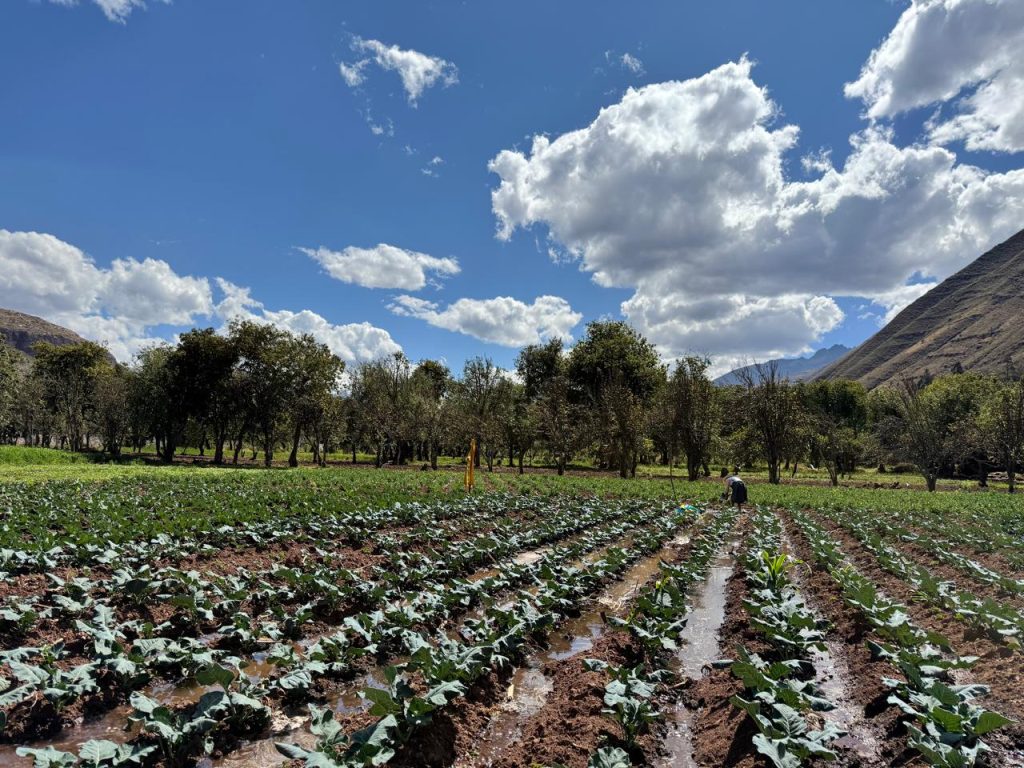
In photography, light defines both the subject and the story. In the Andes, light behaves differently due to altitude, geography and rapidly changing weather patterns, creating moments of exceptional clarity, contrast and atmosphere that reward those who understand timing.
Early mornings often reveal soft, directional light and layered landscapes, while late afternoons bring warmer tones and dramatic shadows across mountains and valleys. Seasonal shifts — from the dry season’s crisp visibility to the wet season’s clouds and reflections — transform the same location into entirely different visual narratives.
Photography experiences are planned with these variables in mind, allowing time to respond to changing conditions rather than forcing a schedule. This approach gives photographers the opportunity to work with natural light as it evolves, capturing images that feel intentional, grounded and deeply connected to place.
Landscapes and visual diversity in Cusco
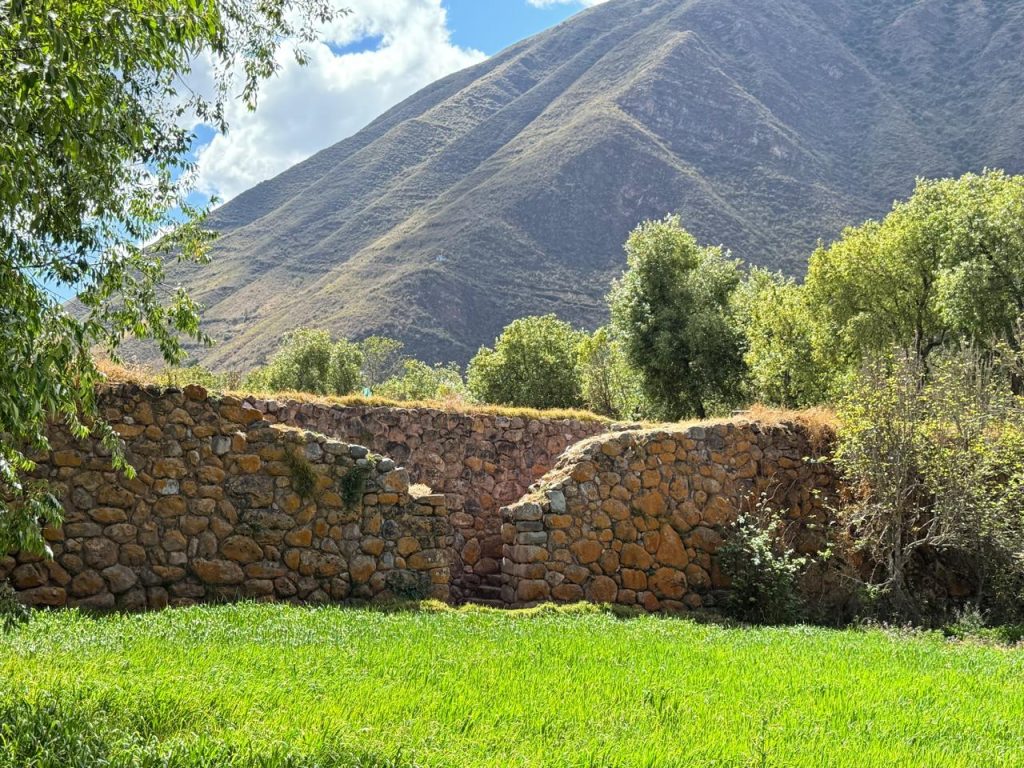
Cusco offers one of the most visually diverse regions in the Andes, where dramatic changes in altitude and terrain create a wide range of photographic environments within a compact area. High mountain ridges, open valleys, terraced landscapes and glacial lagoons coexist with river corridors and cloud forest edges, providing constant variation in scale, color and atmosphere.
This concentration of landscapes allows photographers to work with both expansive compositions — emphasizing vastness and horizon — and more intimate frames shaped by texture, light and natural geometry. The transition between environments happens gradually, offering opportunities to observe how light, weather and mood evolve throughout the day.
Photography experiences in Cusco are designed to move intentionally through these settings, allowing time to adapt visually rather than simply pass through. This approach supports the creation of cohesive photographic narratives that reflect the region’s depth, complexity and strong sense of place.
Cultural moments and human presence
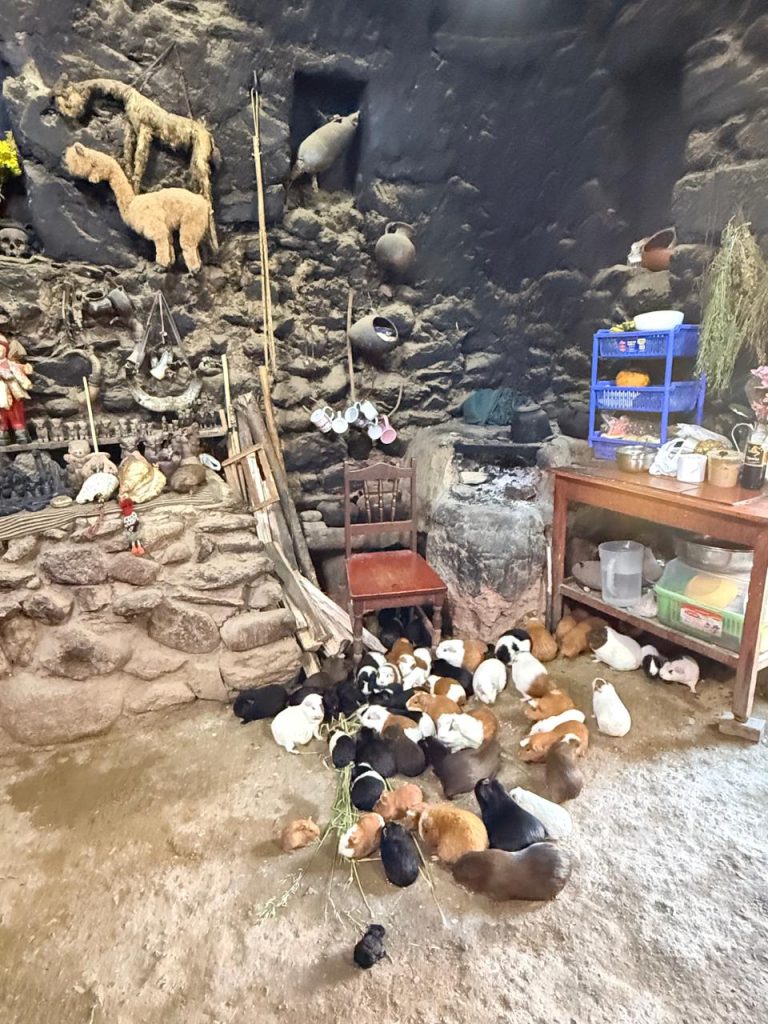
In Cusco, photography is inseparable from the human presence that shapes the landscape. Daily life in Andean communities, traditional markets and ancient paths offers moments where people and environment coexist in a way that feels authentic and visually compelling.
Rather than staged encounters, photography experiences focus on observing real moments — gestures, routines and interactions that unfold naturally over time. This approach allows photographers to capture images that feel honest and respectful, reflecting cultural continuity rather than surface-level spectacle.
By moving at a human pace and prioritizing awareness, photographers are able to engage with these settings thoughtfully, creating images that tell stories of place, identity and connection without intruding or disrupting the rhythm of daily life.
Access, positioning and ethical photography
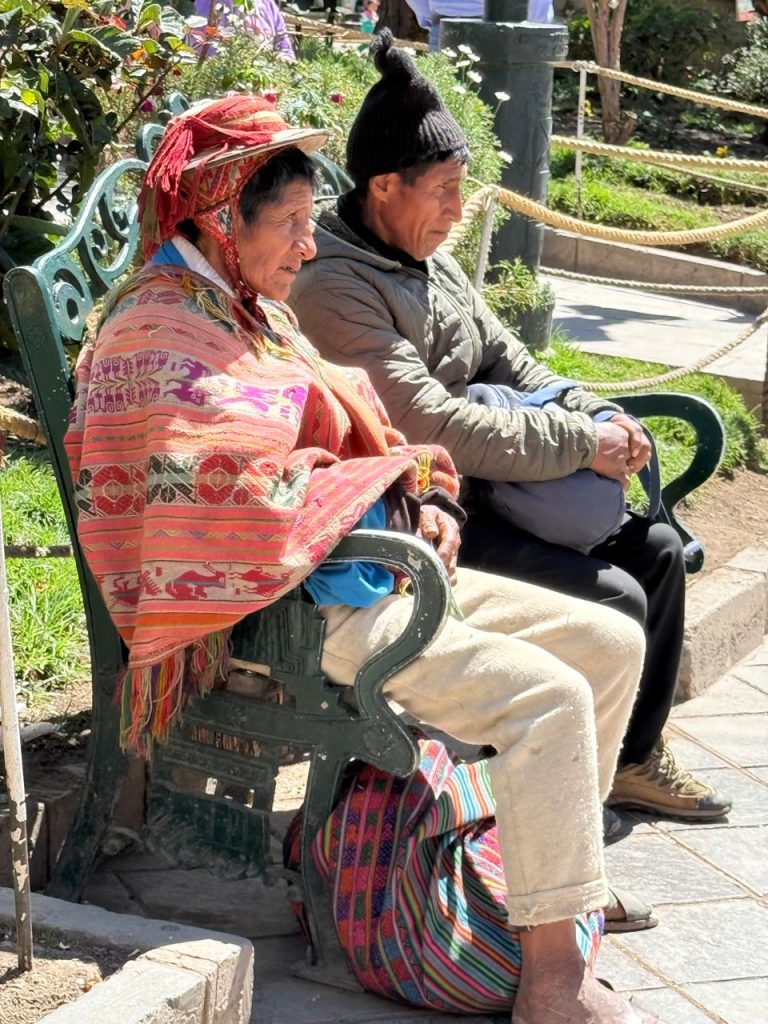
In Cusco, meaningful photography depends not only on what is seen, but on how access is approached. Many visually powerful moments occur in places that require sensitivity, awareness and proper positioning rather than proximity or intrusion.
Photography experiences are designed to provide considered access while respecting communities, sacred spaces and natural environments. This allows photographers to work from perspectives that feel natural and unobtrusive, preserving the integrity of the moment and the comfort of those being photographed.
By prioritizing ethical practices and thoughtful positioning, photographers are able to capture authentic scenes without disrupting daily life or turning cultural encounters into performances. The result is imagery that feels genuine, respectful and visually strong — aligned with both artistic and human values.
Pace, flexibility and photographic flow
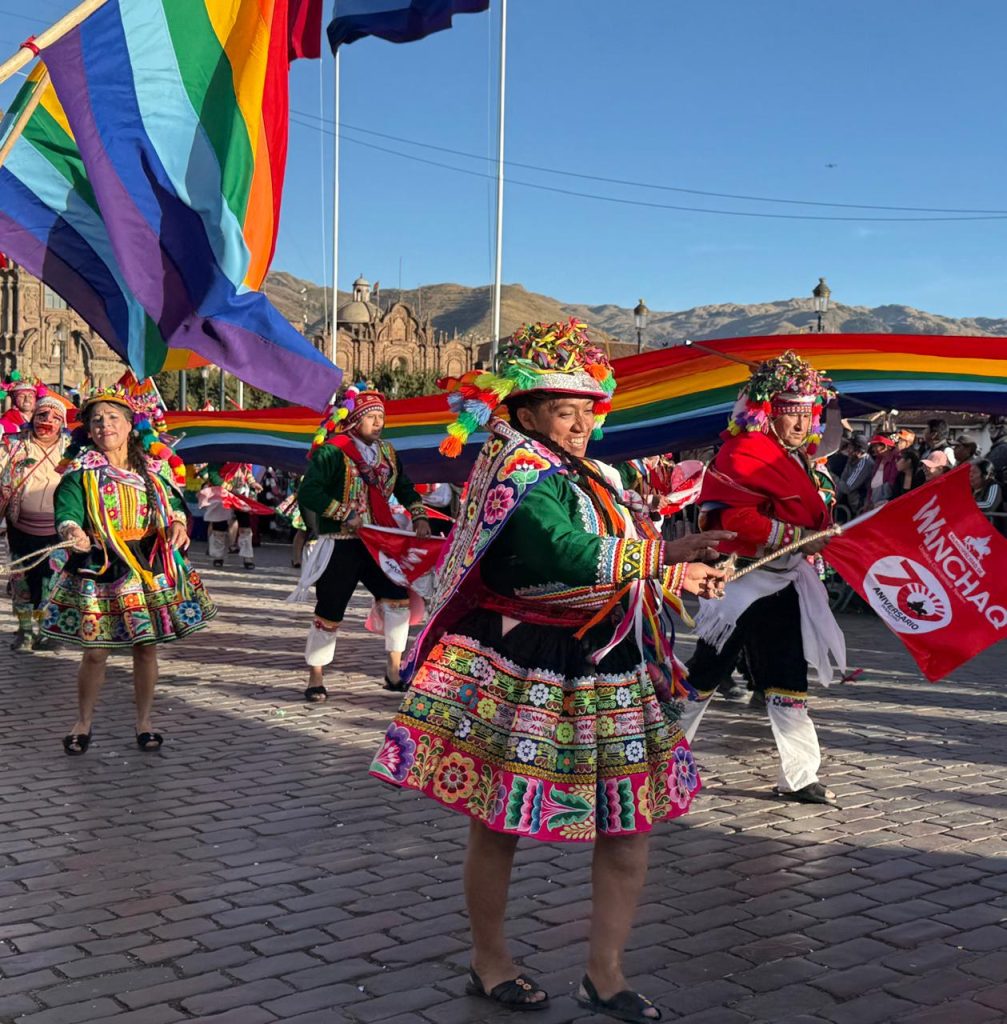
Photography requires time, patience and the freedom to respond to what unfolds naturally. In Cusco, light, weather and human activity can shift quickly, making flexibility an essential part of the creative process.
Photography experiences are designed with a rhythm that allows photographers to slow down, wait for the right moment and adjust to changing conditions. There is space to pause, return to a scene or extend time in a location when the light or atmosphere calls for it.
This unhurried pace supports a natural photographic flow, where images emerge from observation rather than pressure. By removing the urgency to move on, photographers are able to work with intention and create images that feel considered, balanced and true to the moment.
Curated local expertise & logistical support
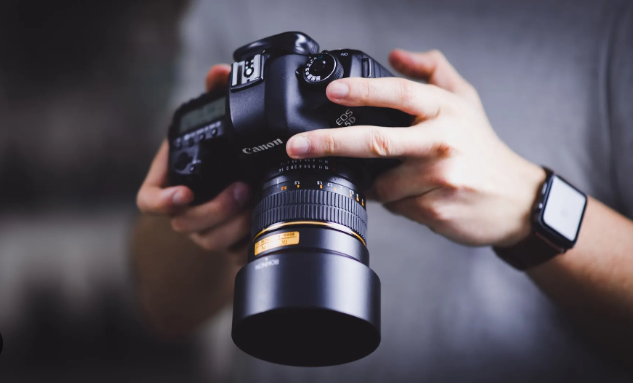
A meaningful photography experience goes beyond locations; it relies on local knowledge, trust and seamless logistics. In Cusco, access, timing and cultural sensitivity make a significant difference in the quality of the images created.
Photography experiences are supported by local experts who understand light patterns, seasonal changes and the rhythm of daily life. This guidance allows photographers to anticipate moments rather than react to them, positioning themselves where stories naturally unfold.
Logistics are handled discreetly to minimize interruptions, allowing full focus on the creative process. The result is an experience where photographers feel supported but never rushed, informed but never directed—free to work with confidence, depth and intention.

